Maintenance Tips to Extend the Life of Your Winch Equipment
A winch is one of the most reliable tools on site, designed to handle heavy lifting, pulling, and positioning tasks that keep projects moving forward. But like any piece of heavy lifting equipment, it will only perform reliably if it’s looked after properly. Neglecting routine maintenance can shorten the lifespan of your winch equipment, reduce efficiency, and in some cases even compromise safety.
Here are some practical maintenance tips to help you get the best out of your winch equipment and ensure it keeps working hard for years to come.
1. Keep It Clean
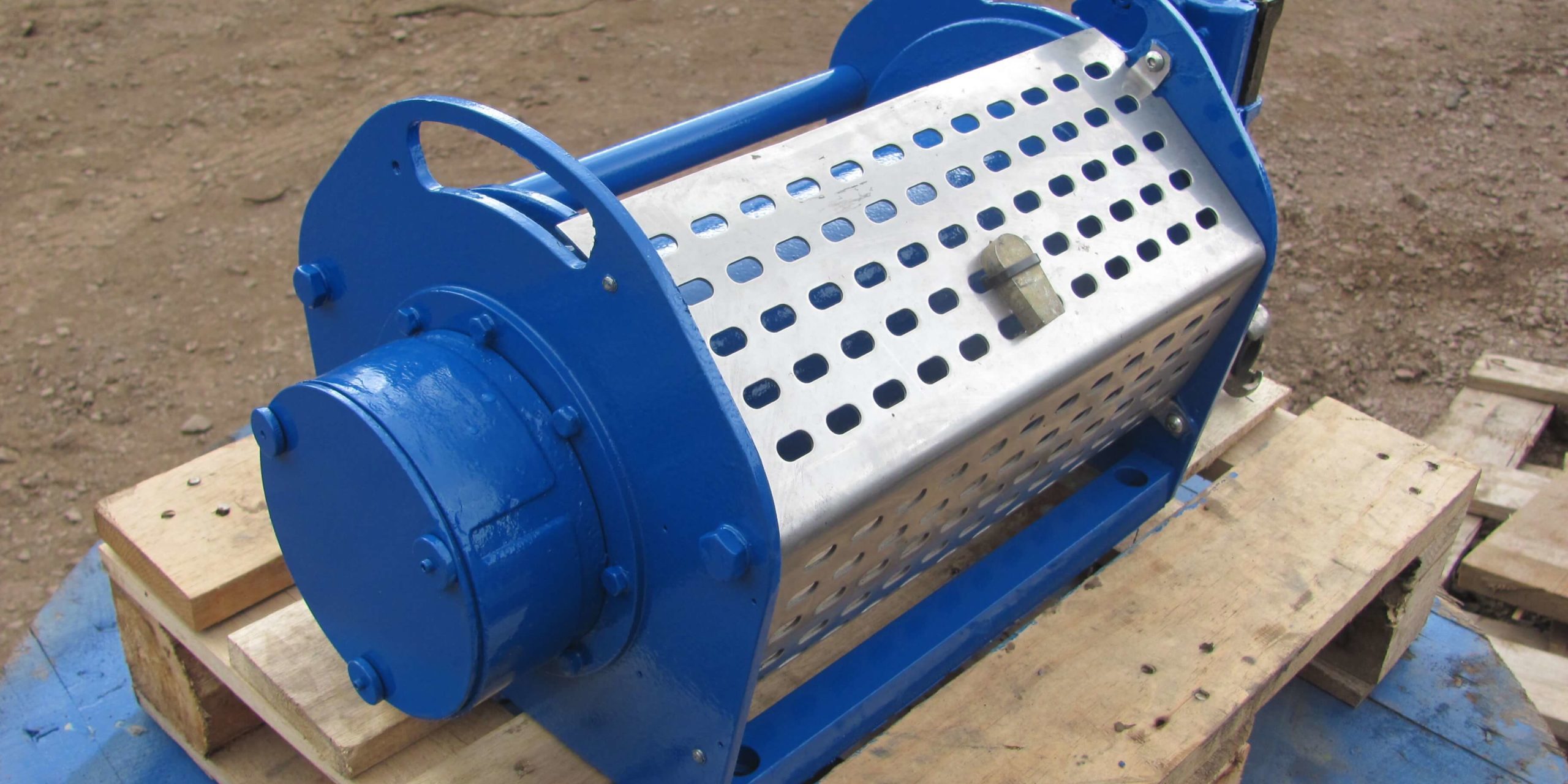
Heavy-duty winches, electric winches, and hydraulic winches often operate in challenging environments. From muddy construction sites to salty marine conditions, dirt, dust, and debris can quickly accumulate around gears, cables, and electrical components. A simple routine of wiping down your winch after use can prevent long-term damage. In marine applications, rinsing with fresh water helps to reduce corrosion caused by salt.
2. Regularly Inspect Cables and Ropes
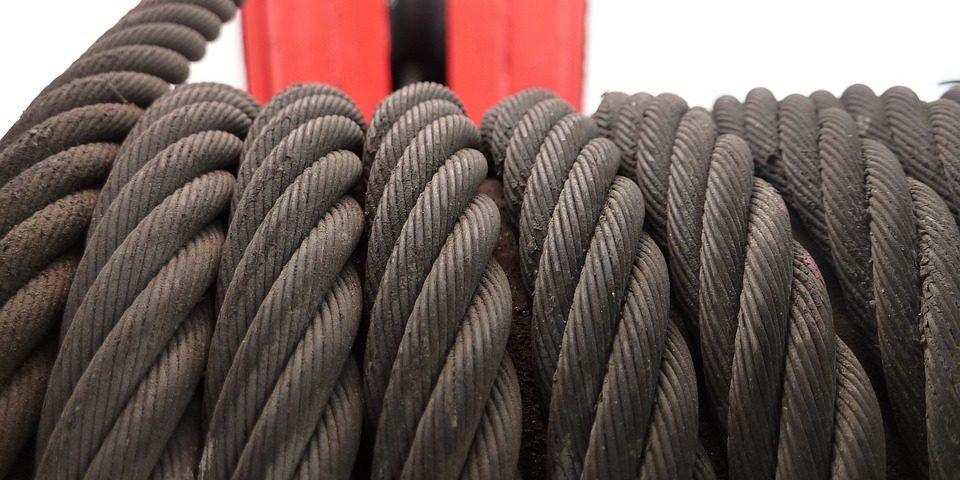
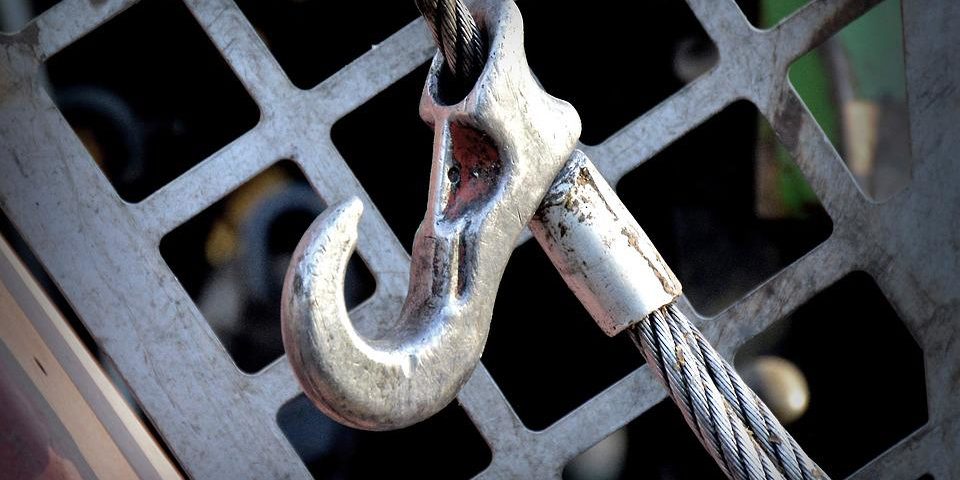
Whether your winch uses wire rope or synthetic rope, it’s crucial to inspect it regularly. Look for fraying, kinks, rust, or broken strands. Damaged rope not only reduces pulling capacity but can also snap under load, creating a serious safety hazard. Replace worn ropes immediately — don’t wait until they fail on the job. If your system also connects to anchors or additional rigging equipment, inspect these components at the same time.
3. Check Lubrication Levels
Lubrication reduces friction and wear on moving parts such as gears, bearings, and drum surfaces. Over time, grease and oils can dry out or become contaminated with dirt. Always follow the manufacturer’s guidelines for lubrication intervals and use the recommended products. Keeping components properly lubricated is one of the simplest ways to extend the life of your winch.
4. Test Brakes and Clutches
The braking system is vital to the safe operation of any winch. Check that brakes engage smoothly and hold the load without slipping. Clutches should engage and disengage without excessive resistance. If you notice any unusual noises or changes in performance, arrange for professional servicing before the winch is used again.
5. Store Equipment Properly
If your winch isn’t in constant use, make sure it’s stored correctly. Keep it in a dry, sheltered location away from direct exposure to rain or extreme temperatures. Covering the winch when not in use prevents dust and moisture from causing corrosion or electrical problems.
6. Follow a Scheduled Service Plan
Daily checks are important, but nothing replaces professional servicing. Scheduling periodic inspections and servicing with a specialist hire or maintenance provider ensures that all parts of the winch are assessed, adjusted, and replaced if needed. This proactive approach prevents small issues from turning into costly breakdowns.
Why Maintenance Matters
Winch equipment is a significant investment, and proper maintenance is the best way to maximise both safety and value. By keeping your winch clean, inspecting critical components, maintaining lubrication, and arranging regular servicing, you’ll reduce downtime and extend the working life of your used winch or newly hired equipment.
At Atlas Winch Hire & Hoist Services, we not only provide lifting equipment hire but also support clients with advice, servicing, and maintenance to keep projects running smoothly. As trusted lifting equipment suppliers, we offer electric winch hire, hydraulic winches, diesel winches, and air winches, along with full hoist services and support for all your deck equipment and rigging equipment needs.
Visit the Atlas Winch & Hoist Services Ltd website for more information on Maintenance Tips to Extend the Life of Your Winch Equipment
ENQUIRY FORM