Propane vs. Butane: Which One Is Right for You?
If you’re unsure about the differences between propane and butane, you’re in the right place. This guide explains what LPG is, how propane and butane are used, the benefits of each, and the key differences—so you can choose the best fuel for camping, cooking, or heating. Both gases are popular forms of LPG (liquefied petroleum gas) and can be easy to confuse.
What is LPG?
LPG is a colourless, low-carbon fuel produced during natural gas processing and oil refining. It’s highly efficient, compact, and easy to store, making it a convenient option for a wide range of residential and commercial uses. The two main bottled types are propane and butane, each with advantages depending on where and how you plan to use them.
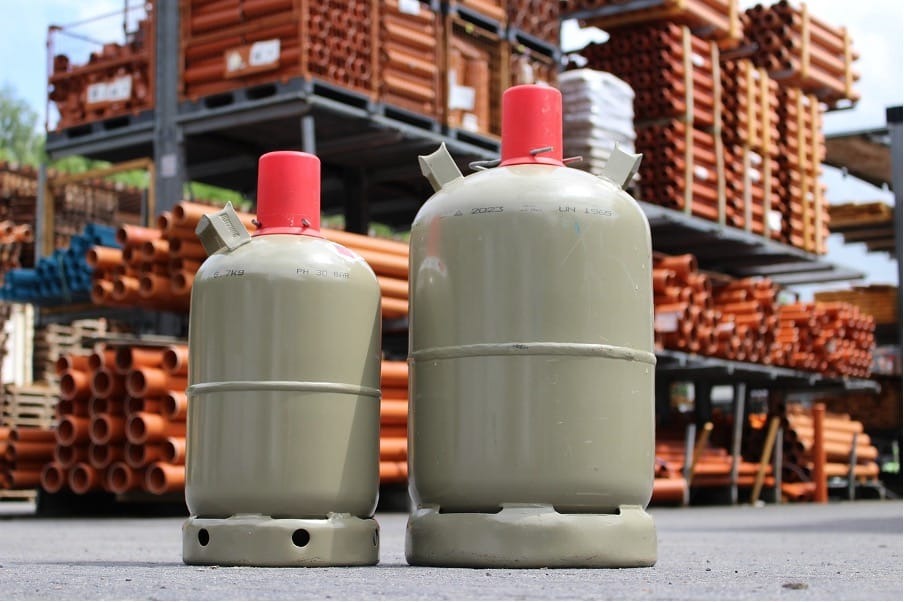
Propane vs butane at a glance
Butane is best suited to indoor use or mild weather and is often the fuel of choice for portable appliances. It’s typically supplied in smaller, lightweight canisters—ideal for camping and caravanning—and, in optimal conditions, offers slightly more energy per litre than propane, making it efficient for compact, on-the-go applications.
Butane has a higher boiling point (-2 °C). While that’s fine indoors or in warmer months, it struggles to perform in low temperatures. That’s why it’s commonly used for portable heaters and camping stoves during spring and summer, or wherever it’s protected from the cold.
Propane is a versatile, robust year-round option, especially in colder climates. It’s used for BBQs and patio heaters, home heating, gas cookers, tools and forklifts. With a much lower boiling point (-42 °C), propane continues to vaporise and supply fuel even in freezing weather. It’s well suited to outdoor storage and use, and is widely used across the UK for home heating and outdoor appliances throughout the year.
The key difference between propane and butane is performance in the cold. Your choice ultimately depends on intended use and the conditions you expect.
Safety and storage
Your safety is paramount. All our cylinders undergo regular checks and maintenance to meet the highest standards, and we supply full gas safety data sheets.
Butane is highly flammable and must be stored with care in well-ventilated areas away from heat or flames—never in a small, enclosed space. Propane and butane cylinders should always be handled carefully and kept upright during use and transport. Propane is generally stored in larger cylinders or tanks kept outside, while butane is sold in smaller, lighter canisters that are easier to carry and store. (Typical domestic guidance allows up to 30 kg—e.g., 2 × 15 kg—of butane canisters at home; always check local rules and your insurer’s requirements.) Propane’s cold-weather resilience makes it ideal for bulk tanks or outdoor cylinders.
Propane is also non-toxic; it leaves no residue and, being released as a gas, won’t pool or spill.
Whether you’re getting ready for a holiday, powering a caravan, or preparing for winter heating, Adams Gas can supply the right fuel for your needs.
Choose Adams Gas for your LPG
Choosing between propane and butane comes down to where, how, and when you’ll use your gas. As a rule of thumb, choose propane for colder weather or outdoor storage, and butane for portability, indoor appliances, or mild conditions. If you’re still unsure which is right for you, contact the expert team at Adams Gas—we’ll help you find the perfect solution.
Visit the Adams Gas website for more information on Propane vs. Butane: Which One Is Right for You?
ENQUIRY FORM