Liquid CO2 for Pipe Freezing – The Ultimate Solution for Maintenance and Repairs
Liquid CO₂ for Pipe Freezing: the ultimate solution for maintenance and repairs
Liquid CO₂ is a highly effective, cost-efficient way to freeze pipes for repairs and alterations. By creating a temporary in-line ice plug, engineers can isolate a section of pipe without draining the entire system—cutting downtime, labour, and water waste. Thanks to its very low temperature (about −78.5 °C), CO₂ forms a solid plug rapidly, so work can be completed swiftly with minimal disruption.
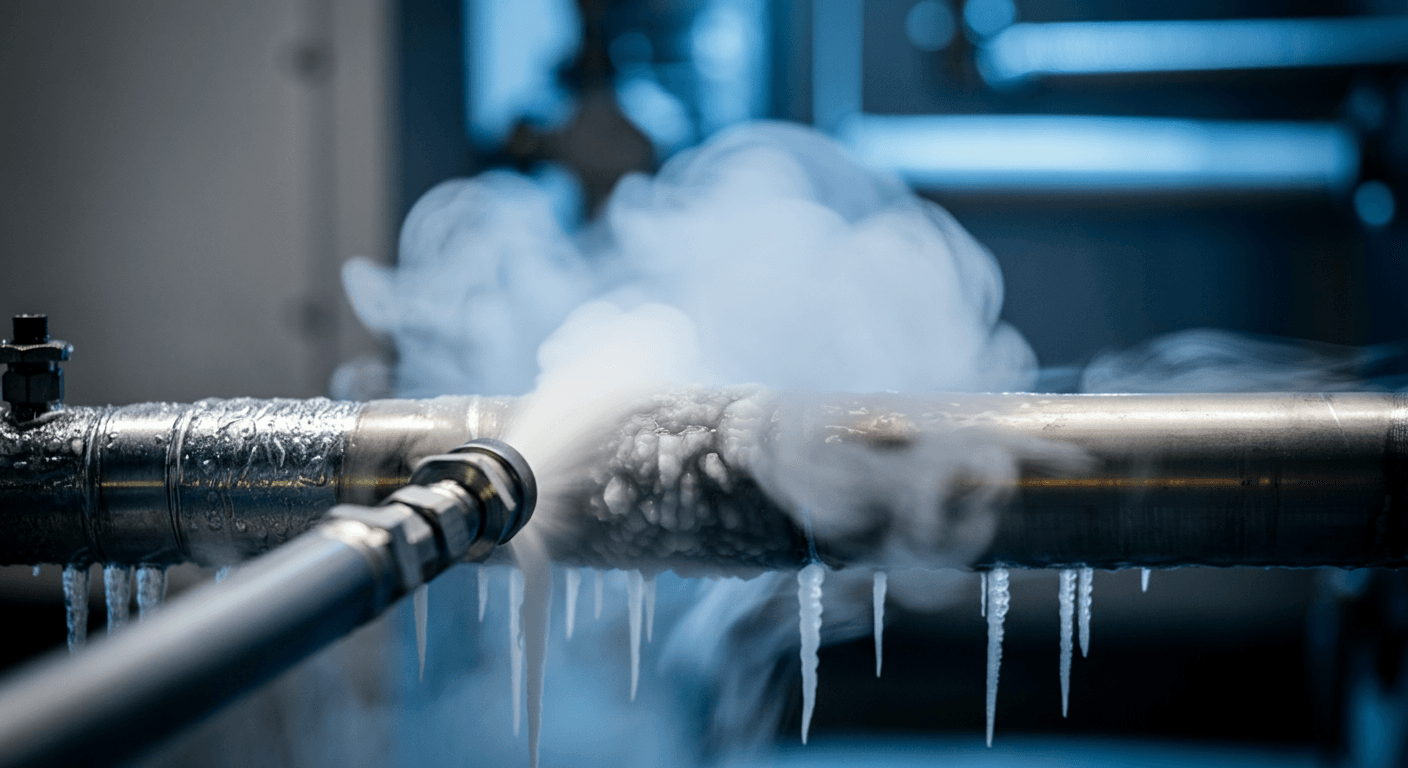
CO₂ pipe freezing is versatile, working on a wide range of pipe sizes and materials—including metals and plastics. It is non-toxic, leaves no chemical residue, and avoids the clean-up associated with salt or additive-based methods. With portable cylinders and dedicated freezing kits now widely available, setup is straightforward and user-friendly.
How liquid CO₂ pipe freezing works
Liquid CO₂ is fed into a specially designed jacket wrapped around the pipe. On release, the CO₂ flashes to dry ice, quickly pulling the pipe wall down to around −78 °C. Water inside the pipe freezes at that point, forming a solid ice plug that seals the line until work is complete.
Why choose CO₂ for pipe freezing?
-
No draining required: isolate locally and keep the wider system running.
-
Minimal kit: a CO₂ cylinder and a suitable freezing kit are usually sufficient.
-
Multi-material capability: effective on iron, copper, lead, steel, and many plastics.
-
Safe and reliable: pressure rise is minimal when done correctly.
Key benefits
-
Rapid results: ultra-low temperature creates an ice plug quickly.
-
Cost-effective: avoids draining, refilling, and re-balancing large systems.
-
Environmentally considerate: reduces water wastage; no residues left behind.
-
Low risk of damage: when properly executed, pipe integrity is maintained.
Common applications
-
Valve replacement: freeze in line and swap defective valves without a full shutdown.
-
System modifications: add branches, tees, or meters while the rest of the system stays live.
-
Emergency repairs: quickly isolate a leak to carry out remedial work.
Step-by-step guide
-
Prepare the pipe: ensure it’s clean and static (no flowing water).
-
Fit the jacket: wrap the freezing jacket at the desired freeze point.
-
Connect the CO₂: attach the high-pressure hose from the cylinder to the jacket.
-
Freeze: inject liquid CO₂; the jacket cools the pipe and forms the ice plug.
-
Carry out the work: replace components or make modifications.
-
Thaw naturally: allow the plug to melt and restore normal flow.
Essential equipment
-
Qwik-Freezer™ pipe freezing kit: easy to use and effective for creating reliable ice plugs.
-
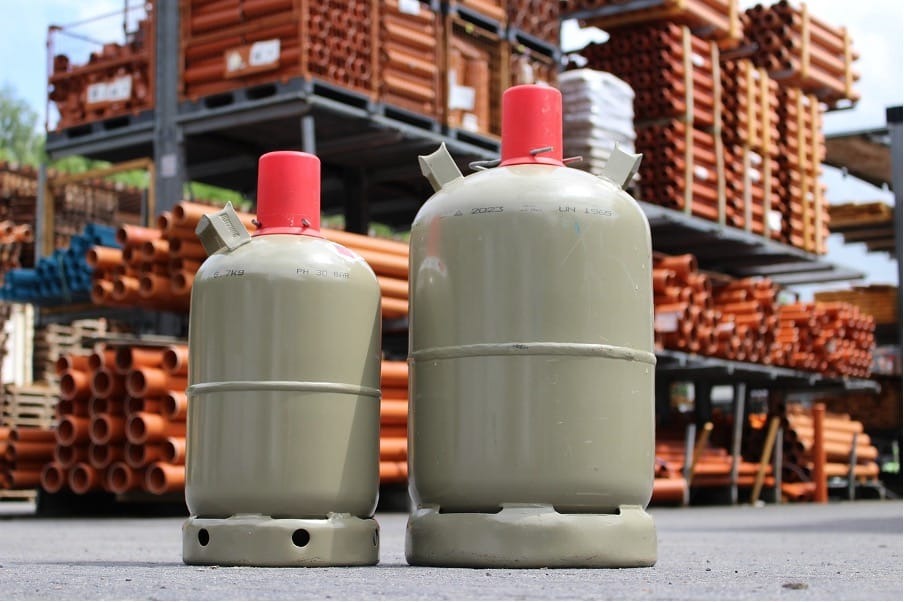
CO₂ cylinder: supplies the freezing agent via a high-pressure hose.
-
Freezing jacket: wraps the pipe at the freeze location.
Is CO₂ pipe freezing safe?
Yes—provided correct procedures are followed:
-
Wear insulated gloves and safety goggles when handling CO₂.
-
Ensure good ventilation to prevent CO₂ build-up.
-
Follow the relevant Safety Data Sheets (SDS), e.g., Adams Gas Safety & Storage guidance.
How long does it take?
Timings depend on pipe diameter and water temperature. As a rough guide:
-
25 mm (1-inch) pipe: ~5 minutes
-
100 mm (4-inch) pipe: up to ~40 minutes
CO₂ pipe freezing vs other isolation methods
-
CO₂ pipe freezing: quick, cost-effective, minimal downtime; requires CO₂ and correct setup.
-
Draining and refilling: no special equipment, but time-consuming and wasteful.
-
Mechanical pipe stops: reusable and reliable, but expensive and usually require full shutdown.
Where to buy CO₂ for pipe freezing
For high-quality CO₂ cylinders, visit Adams Gas:
-
Rent-free gas cylinders
-
Nationwide delivery
-
Expert advice on gas selection and usage
Summary: why liquid CO₂ is best for pipe freezing
-
No need to drain systems
-
Forms a secure in-line ice plug
-
Works across a range of pipe materials
-
Safe, clean, and cost-effective
-
Minimises downtime and water waste
For dependable pipe-freezing solutions, source your CO₂ cylinders from Adams Gas.
Visit the Adams Gas website for more information on Liquid CO2 for Pipe Freezing – The Ultimate Solution for Maintenance and Repairs
ENQUIRY FORM